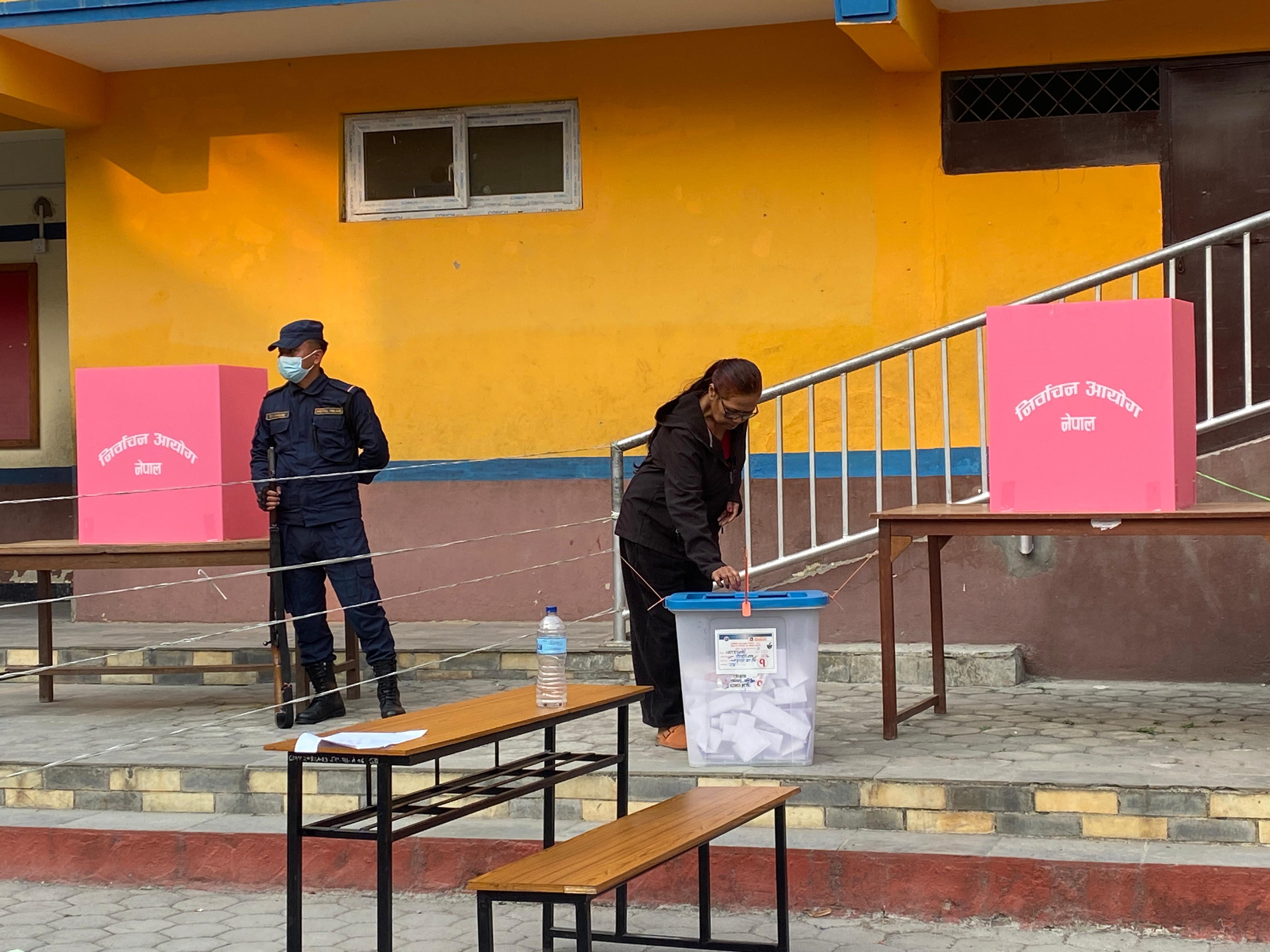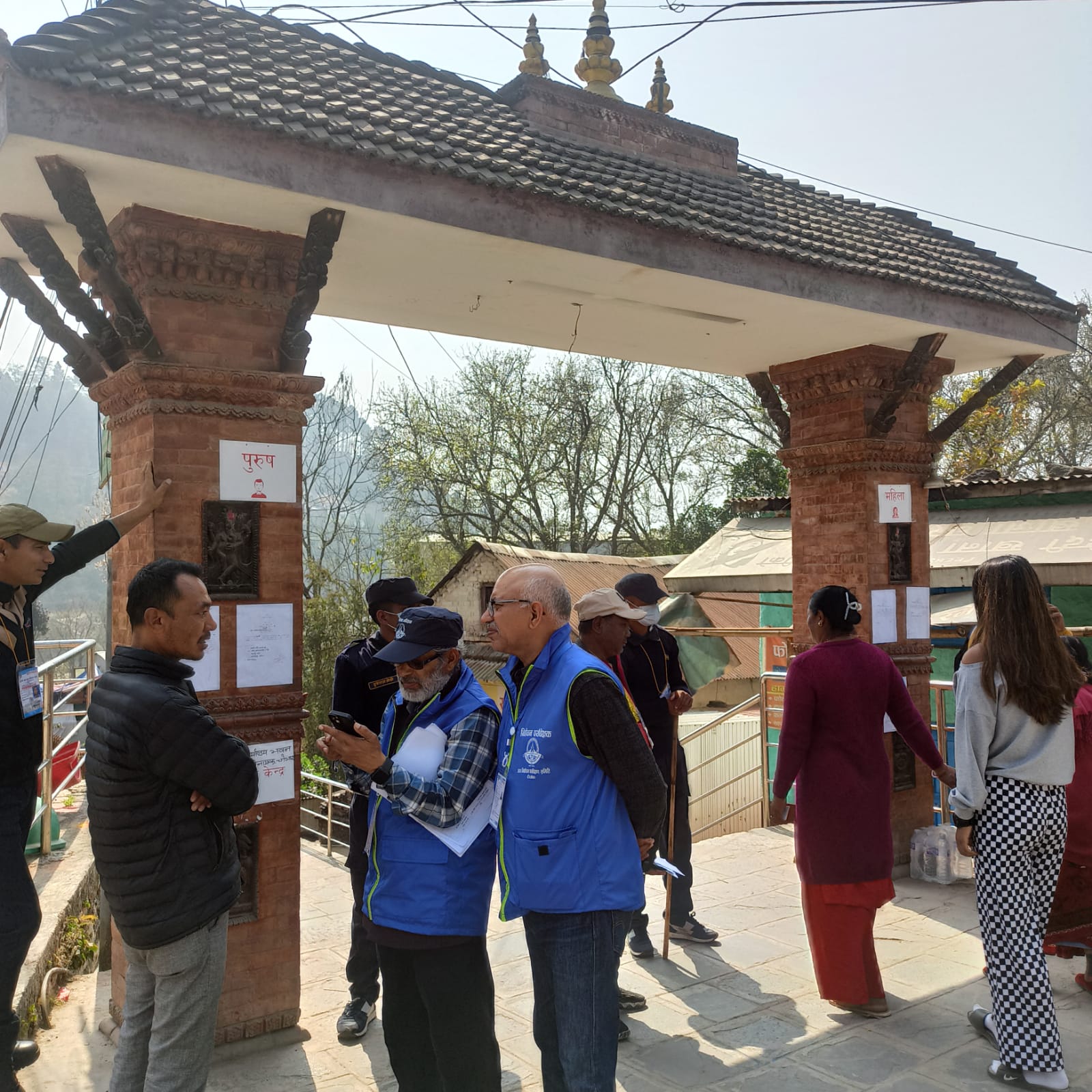
On March 27, 2026, former Mayor of Kathmandu Metropolitan City Balendra Shah was elected Prime Minister of Nepal following the House of Representatives elections. Many people celebrated his victory as a defining moment in Nepal's democratic journey. This political transition came after a massive Gen Z-led movement against the previous government's declining public trust and triggered by the ban on social media platforms. The sweeping victory of the Rastriya Swatantra Party and formation of new government under PM Shah reflected nationwide public frustration with traditional politics and political leaders as well as a strong demand for accountable and responsive governance.
However, as the new government has crossed its first 100 days of work, PM Shah's administration is facing growing public criticism. The civic movement that brought Shah to power is once again filling the streets. A movement that once demanded greater democratic freedoms is now increasingly concerned over the shrinking civic space under the same government.
During this period, the government focused on reforming public services but failed to adequately address growing intolerance toward public dissent. Several incidents have alarmed civil society organizations, human rights defenders and independent journalists. Most notably, the tragic death of a ride-hailing driver through self-immolation following a dispute with municipal authorities sparked additional self-immolation attempts and Gen Z-led protests across Kathmandu. Protesters have been chanting, "Take off your sunglasses, Prime Minister Balen Shah," urging the government to respond to public concerns. They are demanding accountability, justice and an end to authoritarian administrative practices.
Moreover, the administration's high-handedness towards the media has emerged as another disturbing trend during the past three months. In June 2026, newly appointed Home Minister Sudan Gurung warned that the ministry would take direct action against those who 'defame or damage the reputation' of Nepali citizens. Such statements undermine the constitutional role of the Press Council Nepal as an independent media regulatory body and could lead to greater state interference in media content. More recently, several incidents have signaled an alarming tendency to criminalize journalism on the pretext of preventing character assassination.
Equally concerning was the government's attempt to restrict government advertisements and public notices exclusively to private media outlets. The directive, issued on April 1, raised serious concerns about the media's ability to hold the government accountable and threatened the economic sustainability of independent, provincial and community-based media. It is, however, a welcome step that the Supreme Court annulled the directive on July 14, ruling that private media cannot be excluded from receiving government advertisements.
Another disturbing trend is the increasingly hostile online environment faced by journalists, civil society representatives, academics and critics who question or criticize government policies on social media. They have frequently been targeted by coordinated cyberbullying campaigns intended to silence, discredit and intimidate dissenting voices. Ironically, a government born out of resistance to digital repression now faces criticism for failing to protect the online freedoms.
After all, the public mandate of March 2026 was not simply a call for better governance or anti-corruption measures. It was also demand for a more open, accountable and democratic state that respects civil liberties and fundamental freedoms. If the government continues to use excessive force against vulnerable communities, such as landless squatters without adequate rehabilitation strategies and adopts restrictive policies toward the independent press, it risks losing the public trust that made its historic electoral victory possible.
Furthermore, legal reforms have progressed slowly and Parliament has not shown visible progress. In its first 100 days, the government has yet to deliver on its commitments to strengthen press freedom, promote a vibrant and independent civil society and encourage citizen participation through meaningful policy reforms. One of the greatest challenges today is the growing sense of public frustration and discontent.
To uphold Nepal's hard-earned democratic achievements, the government should immediately reverse policies that undermine civic freedoms. It should withdraw discriminatory advertising policies, ensure that media regulation remains constitutionally independent and hold security forces accountable for violations committed during public protests. A vibrant democracy is measured not only by ambitious reform agendas or technological innovation, but also by the extent to which citizens can assemble peacefully, journalists can report independently and critics can express their views without fear of intimidation or retaliation.
Freedom is neither an ideal concept nor merely a slogan or a constitutional clause. It is the sum of fundamental freedoms: right to communicate, to move, to organize, to defend oneself and to maintain human connections. When these rights are restricted, freedom disappears not only in principle but also in practice. Nepal must ensure that these rights are protected to preserve the democratic aspirations.
The past 100 days have served as a test for the new government. As a vigilant civil society organization, Freedom Forum remains hopeful that the government will begin democratic reforms to restore and strengthen civic freedoms in the days ahead.